Performing arts production
performing arts production
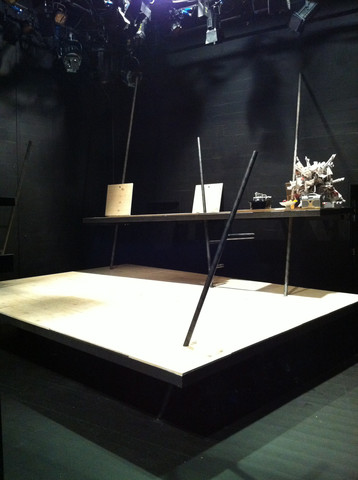
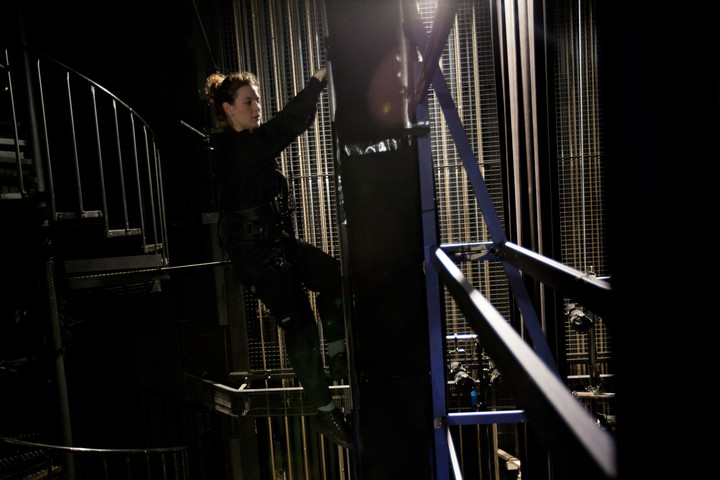
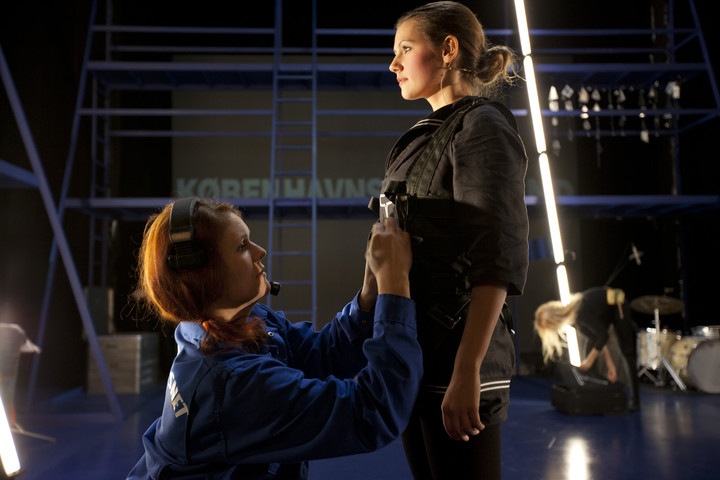
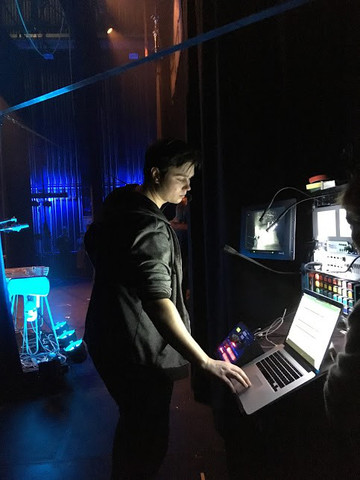
A performance is much more than what you see on stage. Behind the scenes, a wide range of professionals work together to turn ideas into reality. Stage managers, production managers, master carpenters, and prop makers bring artistic visions to life and create the practical and technical frameworks that make a performance possible – from the first sketches to the final curtain call.
Performing Arts Production is for those who are curious about collaboration, planning, construction, and craftsmanship – and who want to help realise artistic visions in practice. You will work closely with other disciplines, set the framework for the artistic process, and ensure that collaboration, technology, and materials come together seamlessly.
The four bachelor’s programmes within performing arts production each offer a different path into the work behind the stage:
- Scenic Construction and Production – for those who want to work with the practical layout of the stage and develop technical, material, and aesthetic solutions for building larger scenographic elements (master carpenter).
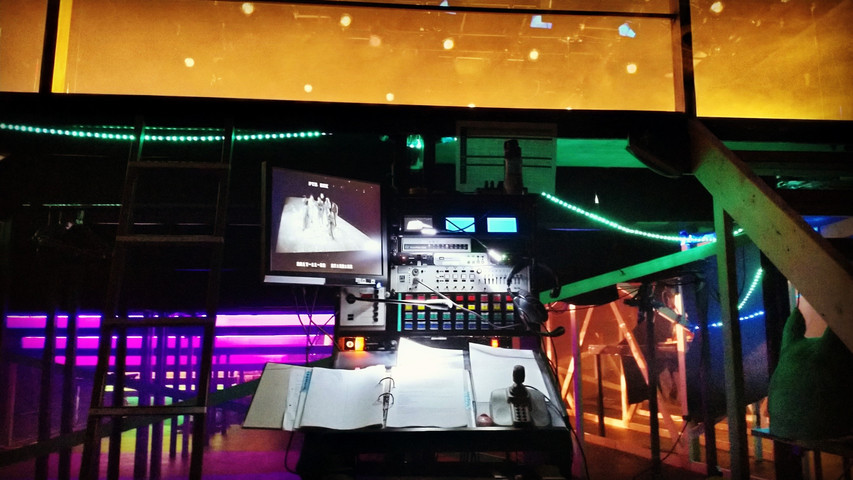
- Stage Management – for those who want to plan rehearsals, coordinate collaboration, and ensure that productions are carried out according to plan (stage manager).
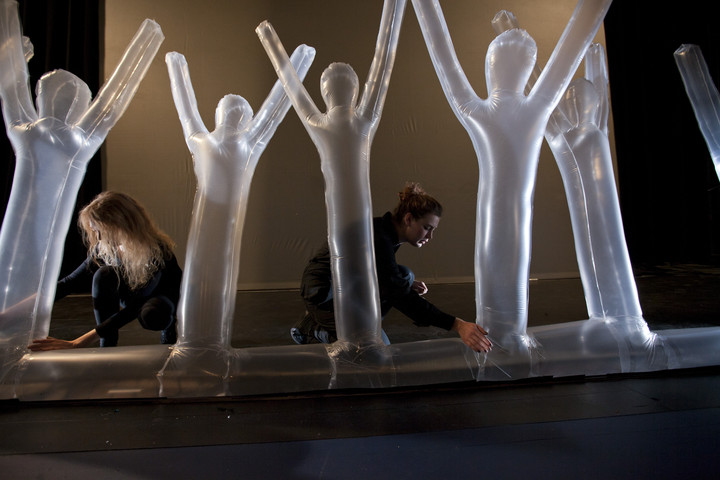
- Props Design and Production – for those who want to create and adapt props and work creatively with materials (props maker).
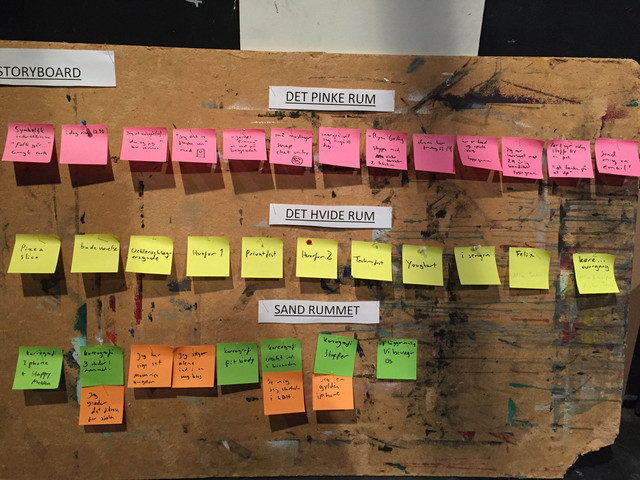
- Production Management – for those who want to organise the entire production process from first idea to evaluation, working with structure, planning, and coordination (production manager).
In the professional performing arts industry, these four disciplines are each other’s closest collaborators. The same applies to the four programmes, which share courses and a tightly knit study environment. You will also work closely with other artistic fields that contribute to creating a performance, such as directing, scenography, sound, and lighting. At the same time, you will have ample opportunity to explore and specialise within your chosen field.
Programme and structure
The three-year Bachelor’s programmes consist of four elements: subject-specific courses, interdisciplinary courses, internships, and projects.
SUBJECT-SPECIFIC COURSES
Here, you delve into your field and develop professional skills, methods, and tools.
INTERDISCIPLINARY COURSES
Here, you work with students from other specialisations on topics such as budgeting, planning, material knowledge, communication, and safety. There will also be teaching shared with students from other programmes (acting, directing, sound design, lighting design, and scenography).
INTERNSHIPS
During the internship periods, you have the opportunity to apply your knowledge in a professional context and get close to the everyday life of a theatre or another artistic institution. There are at least two internships during the course of study. In addition, other parts of the programme may be converted into internships by agreement with the Head of Programme.
PROJECTS
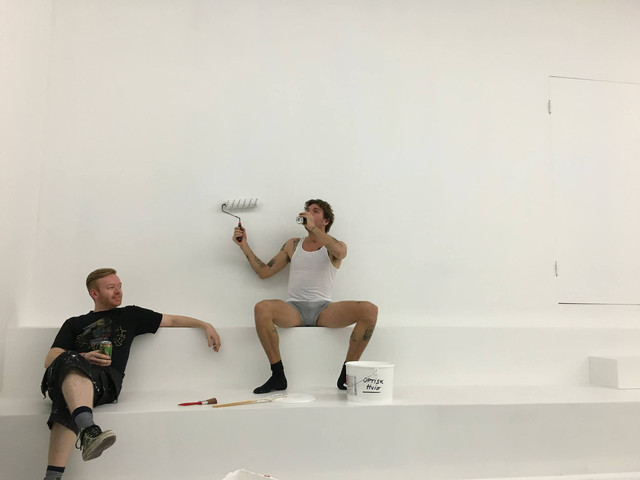
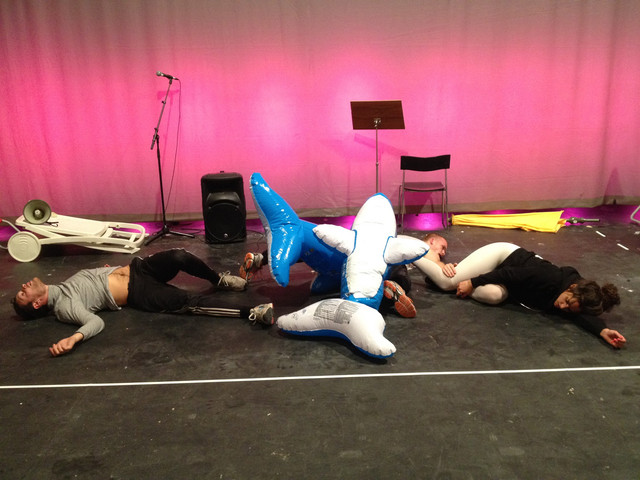
In the projects, you work on concrete productions where you bring your professional skills into play in collaboration with others and develop your practice through experience and reflection.
TEACHING METHODS
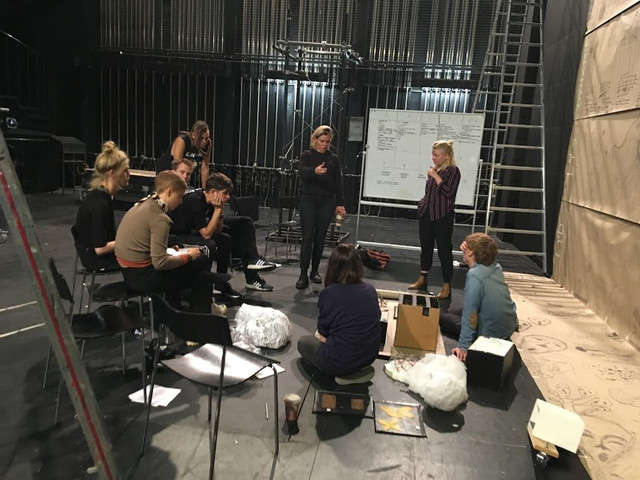
The working methods in performing arts production combine practice, theory, and reflection. Teaching varies between traditional classroom instruction, exercises, group work, individual work, and project-based activities. There is teaching within your own programme, joint classes across performing arts production, and collaborative projects with other programmes at DDSKS.
Performing arts production is a full-time programme. You are expected to be present and work at the school throughout the day, and some projects may require your participation during evenings and weekends. The schedule varies from week to week, and attendance is compulsory for all academic activities.
Teaching is organised by a team of Head of Programme, and as a student, you will meet both external lecturers and professionals from the performing arts industry who bring up-to-date knowledge and practical experience into the teaching.
ADMISSION TO PERFORMING ARTS PRODUCTION
When applying for admission, you must apply to one of the four programmes within performing arts production:
• Scenic contruction and production
• Stage management
• Production management
• Prop design and production
Please note that the application deadline is typically already in December of the year before the programme starts.
All students are admitted based on an entrance examination, during which an admissions panel assesses the applicants according to a range of relevant criteria.
For more information, please refer to the Application Guide.


